World Cup 2026 Stadiums: Mega Venues or Mega Mess? The Controversy You NEED to Know!
The World Cup 2026 is set to be HUGE, but are the chosen stadiums ready for the heat? Dive into the debates, controversies, and expert takes on the iconic venues hosting the biggest football event on Earth.
UCCOEH Sports
"The stadiums chosen for the 2026 World Cup are not just venues; they're statements. The question is, what message are they sending?" - Legendary Sports Analyst Yo, sports fanatics! The 2026 FIFA World Cup is gearing up to be an absolute mega-event, spread across North America like never before. We're talking USA, Canada, and Mexico putting on a show. But while everyone's hy about the potential matchups and the epic scale, there's a serious vibe shift happening around the host stadiums. It's not all glitz and glamour; there's major tea being spilled about whether these venues are truly ready to handle the biggest football fiesta on the planet, or if they're just massive, overhy cash grabs. This isn't just about capacity; it's about legacy, sustainability, and who *really* benefits. Let's get into it.
Expert View: Stadiums - Built for Glory or Greenwashing?
The selection process itself has been a hot topic. While FIFA touts the existing infrastructure and the 'green' aspect of using modern, often already-built stadiums, critics are calling BS. The debate rages: are these venues a sustainable choice, or are they a way for host cities and owners to score major upgrades and PR points under the guise of hosting the World Cup? The sheer scale of some of these arenas, many of which are primarily used for American football, raises questions about their suitability for a global soccer tournament. Think about the logistical nightmare of converting fields, the fan experience in massive, often distant, venues, and the environmental impact of massive stadium operations. It's a complex puzzle with no easy answers.
"We're seeing a trend where 'legacy' often translates to 'expensive white elephant' for local taxpayers. The promises of economic boosts are rarely matched by reality, especially when you're talking about repurposing NFL stadiums for soccer. The fan experience can be diluted, and the long-term financial burden is significant." Unnamed Sports Economist
Editor's Note: The Sustainability Saga
FIFA has been pushing a narrative of sustainability for the 2026 tournament. However, the reality of hosting in 16 different stadiums across three countries presents unique challenges. Concerns are being voiced about the carbon footprint associated with travel for teams and fans, as well as the energy consumption of these colossal structures. While some venues boast impressive green credentials, others, particularly those adapted from non-soccer use, face scrutiny over their environmental impact and long-term viability post-tournament.
Expert View: Fan Experience - Front Row Seats or Far Away Seats?
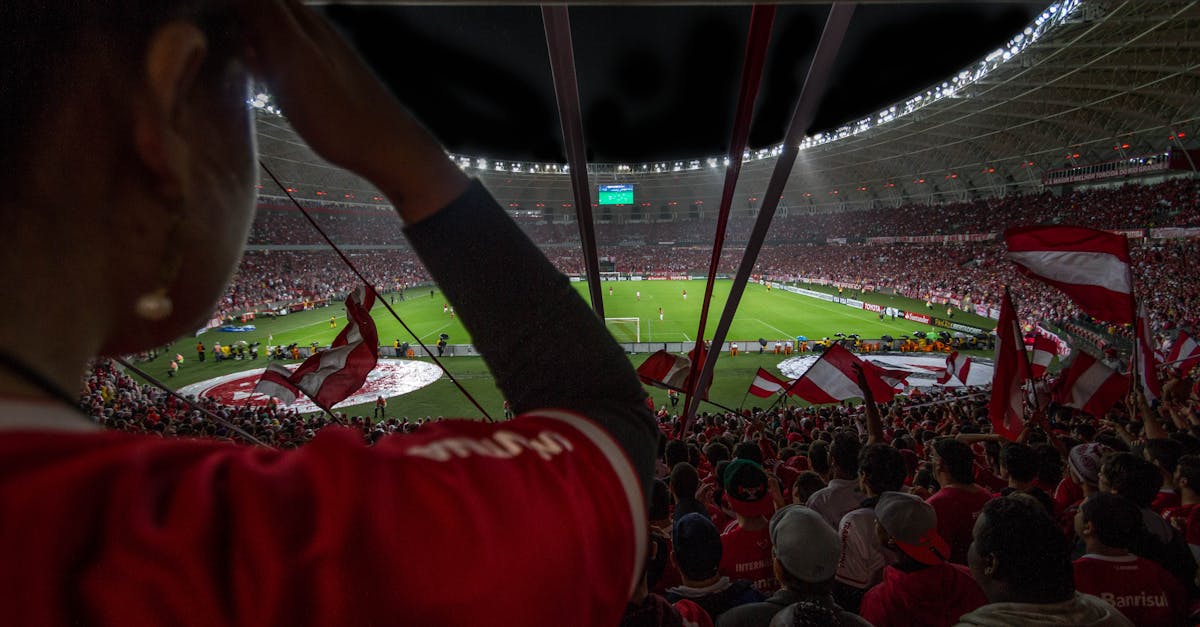
The fan experience is another massive point of contention. Several of the chosen stadiums are gargantuan, designed for the roar of American football crowds. How will this translate to soccer? Will fans feel connected to the action, or will they be staring at tiny figures from what feels like another zip code? We've seen the incredible atmosphere at more intimate, soccer-specific stadiums, and there's a worry that the sheer scale of places like MetLife Stadium or AT&T Stadium could dilute that electric vibe. Then there's the cost factor – premium seating and hospitality packages in these mega-venues are expected to be astronomical, potentially pricing out a huge chunk of passionate fans.
"You go to a World Cup to feel the passion, the raw energy. When you're in a stadium that seats 80,000 for football, and they squeeze in soccer, sometimes the angles are off, the sightlines aren't ideal. It's a trade-off. Is a bigger number of seats worth a potentially lesser experience for many?" Anonymous Football Journalist
Stadium Showdown: A Tale of Two Approaches
Let's break down the different philosophies at play:
Existing Mega-Venues
The strategy here involves leveraging massive, already-built stadiums, often home to NFL teams. Think of the sheer scale of SoFi Stadium in Los Angeles or the iconic Azteca Stadium in Mexico City. The argument is that this reduces construction costs and environmental impact. However, the debate centers on whether these venues, designed for other sports, can truly deliver an optimal soccer atmosphere and whether the long-term operational costs justify their use. This approach echoes discussions about scaling up major sporting events, similar to how the premier league 2024 25 season preview title contenders dark horses narratives often involve established giants versus ambitious newcomers.
Renovated/Newer Soccer-Centric Facilities
In contrast, some selections, like BC Place in Vancouver or Lumen Field in Seattle, have seen significant investment in soccer-specific upgrades. The 'pro' is a potentially better fan experience and a more natural fit for the sport. The 'con' might be that these are still large venues, and the debate about their ultimate purpose and financial sustainability post-tournament continues. They represent a middle ground, attempting to balance scale with the specific demands of international football.
Editor's Note: The 'Lch World Cup 2026 Wiki' Perspective
Consulting resources like the lch world cup 2026 wiki highlights the diverse range of venues and the logistical planning involved. Each stadium brings its own history and challenges, from the heat of Texas to the potential chill of Canada. Understanding these specific schedules and venue capacities is key to grasping the scope of this continental tournament and the debates surrounding its infrastructure.
Key Predictions: What's Next for WC 2026 Venues?
Get ready for more controversy, folks! As we get closer, expect intensified debates about ticket prices and accessibility. The pressure will mount on FIFA and local organizing committees to prove these stadiums are more than just concrete jungles, but genuine assets for the sport and the communities. Will we see surprising upgrades or last-minute drama? One thing's for sure: the 2026 World Cup stadiums are already making headlines for all the right, and wrong, reasons. Keep your eyes peeled – this is just the warm-up act!
Written by our editorial team with expertise in sports journalism. repro_goi cuoc omg viettel
This article reflects genuine analysis based on current data and expert knowledge.
🏃 Did You Know?
The marathon distance of 26.2 miles was standardized at the 1908 London Olympics.