The Future is Now (Or Is It?): World Cup 2026 Stadiums on the Block
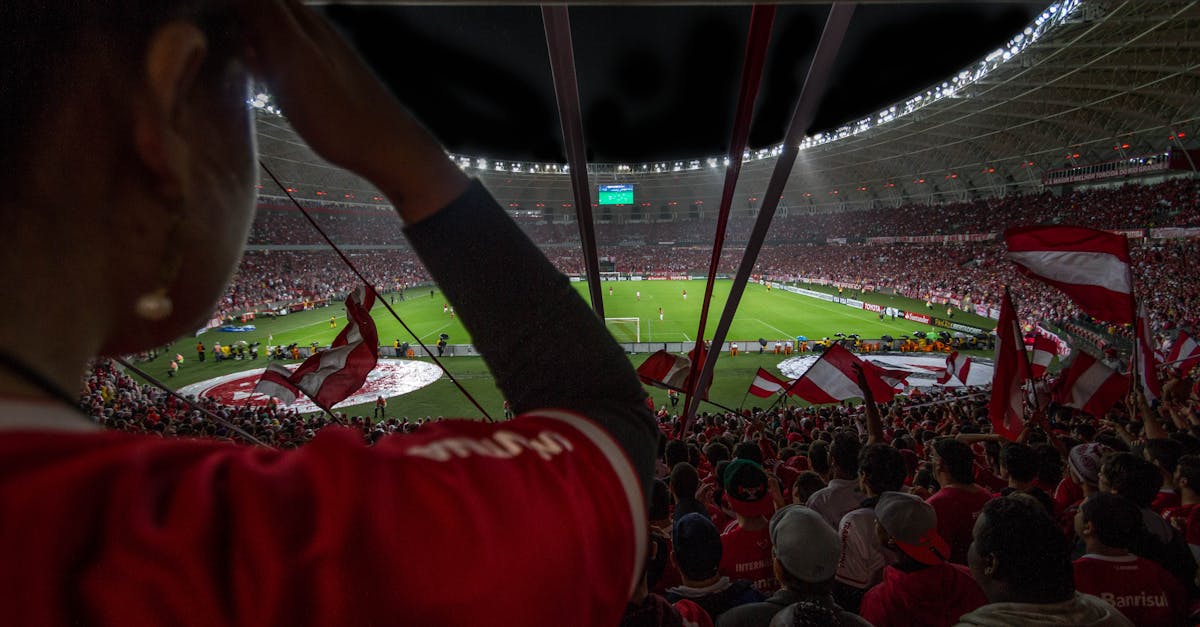
Yo, sports fam! The 2026 World Cup is shaping up to be a game-changer, not just on the pitch but off it too. We're talking about stadiums that sound like they're rip straight outta sci-fi flicks. But hold up, is all this cutting-edge tech really serving the beautiful game, or is it just a massive flex? The hype is real, but so is the debate. From sustainable design to immersive fan experiences, these venues are supposed to be next-level. But at what cost? Let's unpack the drama!
Expert View: The Tech Arms Race
The integration of advanced connectivity for seamless streaming, real-time data analytics for team performance, and even personalized fan experiences via mobile apps are all on the table. It's a massive upgrade from the often-nostalgic, sometimes-rough-around-the-edges venues of past tournaments. The organizers are touting these as the 'sanctuaries' for the future of football.
"We're seeing a race to the top in terms of stadium tech, but the real question is whether this tech genuinely enhances the game or simply adds layers of complexity and cost that ultimately burden the fans and the host cities. The 1994 USA World Cup had a different vibe; it was about accessibility and raw passion, not necessarily the most advanced gizmos."
Let's talk numbers. Building or retrofitting these mega-structures isn't cheap. Reports suggest billions are being poured into these projects. This begs the question: are these investments justifiable, especially when considering the potential for underutilization post-tournament? The debate rages on about the economic impact versus the 'wow' factor. Some argue that the infrastructure development spurred by these projects will have lasting benefits, while others see it as a financial black hole.
Editor's Note: Beyond the Glitz
The choice of cities to host matches in the 2026 World Cup, spread across the USA, Canada, and Mexico, also raises questions about equity and accessibility. Will these high-tech venues create a divide, or will they truly be inclusive spaces for all fans? The discussion around the future of FIFA World Cup expansion and qualification changes often circles back to ensuring that the growth of the tournament doesn't leave traditional fan bases behind, and stadium development plays a role in that.
The Cost of Tomorrow: A Deep Dive into Spending
Beyond the bricks and mortar, the real legacy will be how these stadiums impact the sport. Will they inspire a new generation of players and fans? The potential for 'world cup breakout stars' to emerge from these grand stages is always exciting. However, there's also the risk that the focus on technology distracts from the core of the game. We've seen incredible unheralded talent shine in less glamorous settings. The question remains: does a stadium make the moment, or does the moment make the stadium?
These stadiums aren't just concrete and steel anymore; they're becoming smart hubs. We're seeing mentions of AI-powered crowd management, augmented reality overlays for fans, and hyper-efficient energy systems. The goal? To create an unparalleled fan experience and set new benchmarks for sustainability. But critics are quick to point out the astronomical price tags and the potential for these high-tech features to become obsolete faster than you can say 'VAR controversy.' Is this innovation or just extravagance?
Comparison: Old School vs. New School Stadiums
- Fan Experience
- Futuristic: Immersive AR/VR, personalized content, seamless connectivity. Potential for high-tech glitches, overwhelming sensory input.
- Traditional: Raw atmosphere, organic crowd engagement, simpler viewing. Lacks advanced features, potential for connectivity issues.
- Sustainability
- Futuristic: Advanced energy efficiency, smart waste management, potentially renewable energy integration. High initial carbon footprint for construction, complex systems require energy.
- Traditional: Simpler construction, lower initial impact. Often less efficient in operation, may lack modern eco-friendly features.
- Cost & Accessibility
- Futuristic: Extremely high construction and maintenance costs, potential for premium pricing. May require significant public funding.
- Traditional: Lower construction and maintenance costs, generally more accessible pricing. May lack modern amenities.
Expert View: Legacy and Unforeseen Talent
While the tech is flashy, it's crucial to remember the practicalities. Many of these proposed features, like advanced climate control and dynamic seating, come with significant environmental and financial implications. The discussion often veers into whether these futuristic elements are truly sustainable in the long run, or if they represent a short-term spectacle with long-term maintenance headaches. The comparison to older, more functional venues is inevitable.
"We need to be careful that the pursuit of the 'smartest' stadium doesn't lead to sterile environments. The soul of football often lies in the passionate, sometimes chaotic, energy of the crowd, not just in perfectly synchronized light shows or data feeds. The 'nhanh nht' (fastest) tech isn't always the best tech for the game itself."
Editor's Note: The 'Why' Behind the 'What'
It's easy to get swept up in the futuristic visions. However, a critical lens is needed to assess if these technological marvels are truly serving the spirit of the World Cup or if they're simply a showcase for corporate sponsors and technological ambition. The 'cac thanh pho dang cai World Cup 2026 o my' (cities bidding for World Cup 2026 in America) and beyond need to justify these monumental expenditures with tangible benefits for the communities and the sport.
Predictions: What's Next for the Globe's Biggest Tournament?
Looking ahead, the 2026 World Cup stadiums will undoubtedly set a new standard. We predict a hybrid approach will become the norm, blending advanced tech with functional, fan-centric design. The focus will shift towards proving the ROI of these investments, both economically and in terms of fan engagement. Expect to see more data on energy consumption and operational efficiency being debated. The 'san van dong nao se la ngoi nha cua cac tran dau World Cup 2026' (which stadium will be home to the 2026 World Cup matches) is less about the venue and more about the unforgettable moments that will unfold within them. The 'so sanh thuc World Cup 2022 v 2026' (comparing World Cup 2022 and 2026) will highlight a significant leap in stadium technology, but the true test will be whether this leap translates into a better overall footballing experience.
Browse by Category
- Repro_du Doan Ket Qua Xskg Ngay 02 05 2021
- Repro_xstn 3 12 2020 Xo So Tay Ninh Ngay 3 12 2020 Sxtn 3 12 2020
- Repro_kq Xs Dlk Ket Qua Xo So Dak Lak Xo So Phuong Trang
- Rising Stars To Watch World Cup 2026
- Repro_du Doan Xo So Ho Chi Minh Ngay 24 Thang 5 Du Doan Xshcm 24 5 2021
- Repro_xem 18
- Repro_du Doan Ket Qua Xsvt Ngay 11 05 2021
- Repro_noi U Nayuki
- Repro_xsmt Thu 7 Du Doan
- Repro_xstd Thu 6
- Repro_huong Dan Choi Superstar Bts
- Repro_sxkhanh Hoa
- Repro_du Doan Xsmt 28 6
- Repro_cach Nap Tien Dien Thoai Qua The Atm Vietinbank
- Repro_soi Cau Xsla Soi Cau Long An
- Repro_434 Bach Mai
- Xo So_du Doan Xsmt 7 9 2021 Soi Cau Xsmt Dai Xsdlk Xsqnm Xo So Mien Trung Thu 3
- Xo So_xstv 30 10 2020 Ket Qua Xo So Tra Vinh Ngay 30 10 2020
- Xo So_tag/Dd Xsbth Du Doan Xsbth Du Doan Ket Qua Xo So Binh Thuan Hom Nay.Html/2
- Xo So_xskg 6 6 2021 Ket Qua Xo So Kien Giang Ngay 6 6 2021
- Xo So_soi Cau Pascale Phu Yen
- Xo So_xsbp 4 3 2017 Ket Qua Xo So Binh Phuoc Ngay 4 3 2017
Sources & References
- Nielsen Sports Viewership — nielsen.com (Audience measurement & ratings)
- SportsPro Media — sportspromedia.com (Sports media business intelligence)
- ESPN Press Room — espnpressroom.com (Broadcasting schedules & data)
Explore More Topics (15)
- Xo So_soi Cau Pascale Phu Yen
- Cac Meo Xem Ket Qua Xo So Truc Tuyen Nhanh Nhat
- Repro_du Doan Ket Qua Xo So Mien Trung Ngay 28 Thang 2
- Repro_tai Game Clash Of Clan Java
- World Cup 2026 Review
- Repro_soi Lo Kep Mb Hom Nay
- Repro_mo Thay Toc Danh Con Gi
- Repro_cach Kiem Tra So Phut Con Lai Cua Mobifone
- Repro_suc Manh Quan Doi Nga Hien Nay
- Repro_du Doan So De Hom Nay 17 1
- Key Players To Watch 2026 World Cup Cycle
- Repro_con Coc So May
- F1 Season Prediction Who Will Be Next Champion
- Repro_du Doan Ket Qua Xsmb Ngay 26 3 2021
- Evolution Of World Cup Soccer Tactics